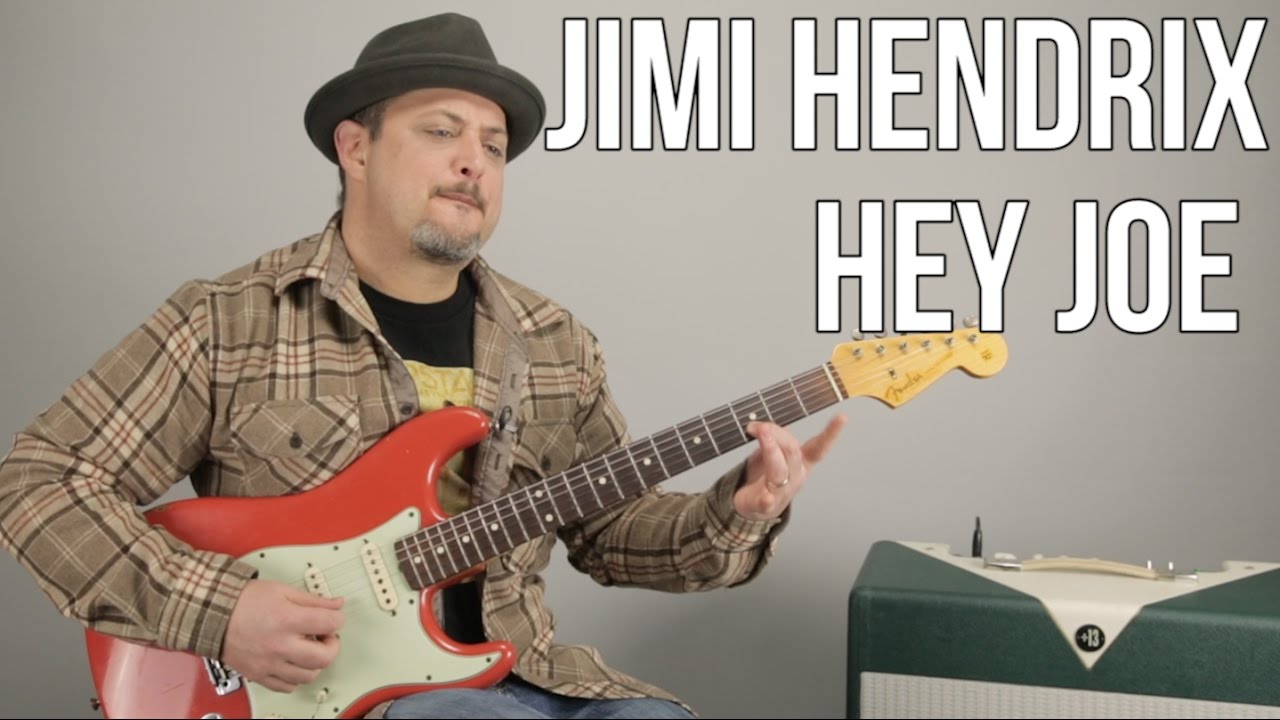
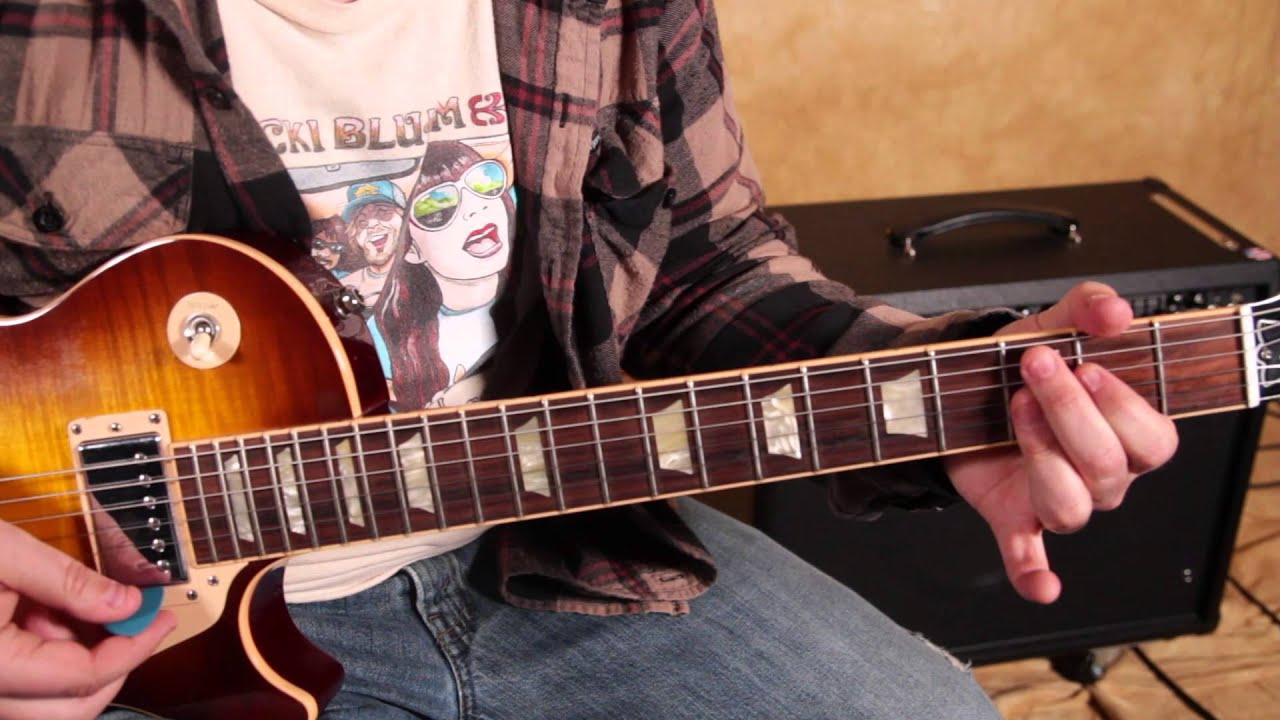
Eric Clapton and Bobby Whitlock wrote most of Layla and Other Assorted Love Songs in a matter of weeks, just hanging out in England and playing constantly before the band ever set foot in a recording studio. That looseness — two friends riffing together — is exactly what you hear in this song. In this lesson, Marty Schwartz breaks down the verse chords, the minor-to-major shift in the chorus, and the pentatonic approach that ties the whole thing together.
Setup and Tuning
Standard tuning, no capo. The song sits in A, which means the open A minor and A major shapes are front and center throughout. Nothing unusual here — just tune up and you’re ready to go.
The Verse Chords: Am and G
Marty starts the lesson with the intro, which is also the beginning of the verse. It opens on Am, moves to G, and that two-chord motion is the engine of the whole verse section.
The full verse progression goes Am – G, repeated twice, then F – C. That darker, minor-flavored movement is what gives the song its ache. It has a Dorian quality to it — not quite straight minor, not quite anything cheerful.
Run that sequence a few times until the transitions feel easy. The Am-to-G move in particular wants to feel automatic before you worry about anything else.
The Chorus Shift: Minor Becomes Major
This is the moment that makes the song work. When the chorus arrives, the A minor becomes A major. That single change — swapping one note — lifts the whole thing. It’s a simple move but it hits differently every time.
Marty also points out that you can color it with Amaj7 and Dmaj7 if you want to get closer to what’s on the record. The Amaj7 shape in open position is second fret, first fret, second fret across the top three strings. The Dmaj7 is like a regular D chord but with the first string fretted flat across — so the same fret on strings one and two.
You don’t have to use the maj7 shapes. The straight A major works fine. But the maj7 versions add a softness that fits the song well.
Soloing Over the Verse: Minor Pentatonic
For the verse, Marty goes to the A minor pentatonic scale. That’s the go-to sound over the Am–G–F–C section — darker, more expressive, exactly what Clapton and Duane Allman are doing on the recording.
Stick close to that shape for the verse and you’ll find phrases quickly. The minor pentatonic has a natural tension that matches the Am–G movement underneath it.
Soloing Over the Chorus: Switch to Major
When the chorus kicks in and the chord goes to A major, the scale shifts too. Marty describes moving to the A major scale or A major pentatonic — brighter, more resolved, a noticeably happier sound over that A major chord.
He also notes what sounds like Duane Allman at the end of certain phrases, playing in that characteristic happy, major-flavored style. That’s Allman’s signature — he had a way of landing on major-scale notes that felt almost joyful even in the middle of a blues track. It’s worth listening for on the original recording once you’ve got the chords under your fingers.
Why the Song Sounds So Big
One thing worth knowing about the original recording: there are two lead guitarists on this track. Clapton and Allman aren’t playing rhythm-and-lead in the usual sense — they’re trading phrases and playing off each other the whole way through. Allman ended up on 11 of the album’s 14 tracks after producer Tom Dowd brought him in mid-session. Clapton later said Allman was the catalyst for the entire record.
What that means for you as a player: when you’re learning the lead parts, you’re really studying a conversation between two people. The call-and-response phrasing isn’t accidental. It’s the whole point. Even playing it solo, keeping that feel in mind — playing a phrase, leaving space, answering it — will make your lines sound a lot more like the record.
Putting It Together
Here’s the map of the whole song:
- Intro: Am – G (same as the start of the verse)
- Verse: Am – G – Am – G – F – C (twice through)
- Chorus: A major (Amaj7 and Dmaj7 for color)
- Solo (verse): A minor pentatonic
- Solo (chorus): A major pentatonic or A major scale
The minor-to-major shift is the move to internalize. Once you feel how those two tonal worlds contrast — the dark minor verse, the lifted major chorus — the song starts to make sense as a whole. It’s not a complicated song harmonically. But that contrast does a lot of emotional work, and playing it well means really committing to each world when you’re in it.
Marty covers the intro, verse, and chorus in the video above. Get the chord shapes smooth first, then start experimenting with the pentatonic ideas over each section. The song rewards time spent with it.