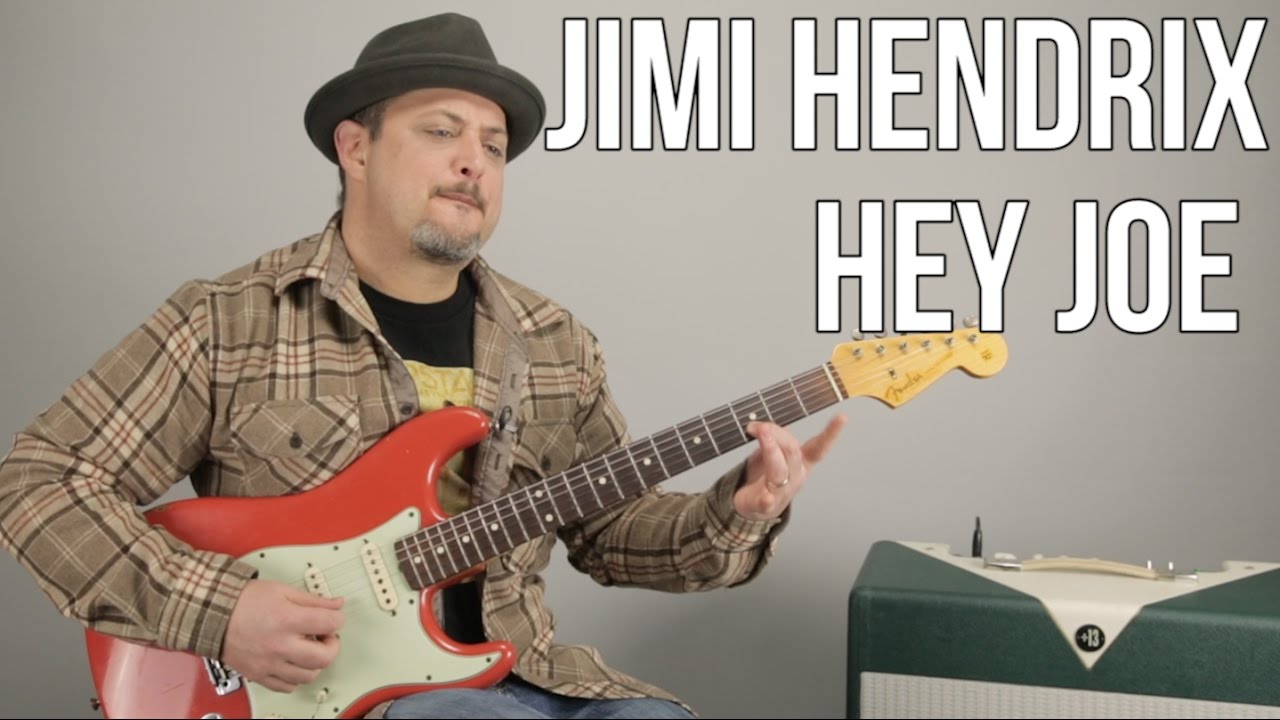
Roger Waters wrote “Brain Damage” as a quiet elegy for Syd Barrett — Pink Floyd’s original frontman, who had drifted so far into mental illness that he’d sometimes play a completely different song than the rest of the band on stage. The line “the lunatic is on the grass” wasn’t an abstraction. Waters was writing about someone he knew. In this lesson, Marty Schwartz breaks down every chord shape in the song, the descending bass-line trick that gives the verse its woozy feel, and the sus2 voicings that keep things emotionally unsettled right up to the end.
Setup and Tuning
No capo. Standard tuning. The song sits in D major, and most of what Marty teaches here is played on the top four or five strings — which means you don’t need a full barre chord to pull any of it off.
The Verse Chords — D with a Slash
The opening move looks like a D major but plays like something more interesting. Marty holds a standard D shape and lets the open D string ring underneath, then moves to a G7 voicing on just the top four strings — first fret on the high E, with the D, G, and B strings open or held. Because the D bass note stays put while the top voice changes, it becomes a G7/D: a slash chord. That’s where the song gets its slightly off-kilter feel even on the very first measure.
The strum pattern Marty uses on the verse isn’t a straight down-up. He starts with a strum that lands on the lower strings and finishes by catching the B and high E at the end. It’s a short, trailing motion — almost like the pick is falling off the strings rather than driving through them. Once you have it slow, the song settles right in.
Up a Whole Step — E over D
The second chord pair moves everything up a whole step but keeps that same D bass note underneath. The shape becomes an E voicing over D — Marty describes it as “the D chord up” — and then shifts to an A7 with a one-finger barre at the third fret on the high E. Same strum motion, but now the G string rings through on the landing instead of the high E. It’s a small difference and a big mood shift.
After the A7, Marty lifts his middle finger and gets an A sus2. That open, unresolved sound is exactly what the song needs. It doesn’t settle — it just waits.
The D7 — Upside-Down D
When the song reaches the D7, the shape flips. Marty calls it an “upside-down D chord”: first fret on the B string, second fret on both G and high E. It looks a little awkward the first time, but it sits in the hand well once you’ve drilled it a few times. This voicing appears in the verse and comes back as a variation — sometimes Water’s recorded performance sounds like just the D7, other times you hear the high E open up as he takes a finger off. Marty makes the point that these are small variations on the same idea, not separate parts to memorize.
The Chorus — G, A, C, G
The chorus is four chords in a straight loop: G up to A, then C, back to G. Marty plays it clean and says to feel the motion between G and A — that whole-step climb is where the section gets its lift. The loop ends on G and starts right back on G again, so the transition is seamless if you stay relaxed.
The B Minor 7 Passage
There’s a section that moves from C to G and then to B minor 7. Marty’s note on this one is worth sitting with: if you play a regular B minor barre, it works fine. But if you lift your pinky off, the chord opens up into B minor 7 — and that’s the version that fits the song. He describes it as “a little moodier, a little jazzier.” It is. The barre sounds resolved and firm; the B minor 7 sounds like something is still hanging in the air. For a song about grief and mental unraveling, hanging in the air is exactly right.
After B minor 7, the progression moves to E minor and then A major, and the song cycles back through.
Putting It Together
The structure of “Brain Damage” is more circular than linear — the verse and chorus loop back through with small variations rather than landing on big cadences. Marty’s advice is to listen to the record alongside practicing the parts, so the arrangement clicks. The sus2 voicings and slash chords are doing a lot of the emotional work here; they’re not decorative. Waters built the song to feel unmoored, and these shapes are how he did it.
The strum feel matters as much as the chords. Keep the motion loose, let the open strings ring, and don’t rush the pattern. The song has weight because it breathes slowly — give it that space and it’ll come together.
Work through each section at a comfortable tempo and you’ll find that the whole song is more approachable than it sounds on first listen. The pieces are simple. It’s the way they’re held together that makes it feel like something.