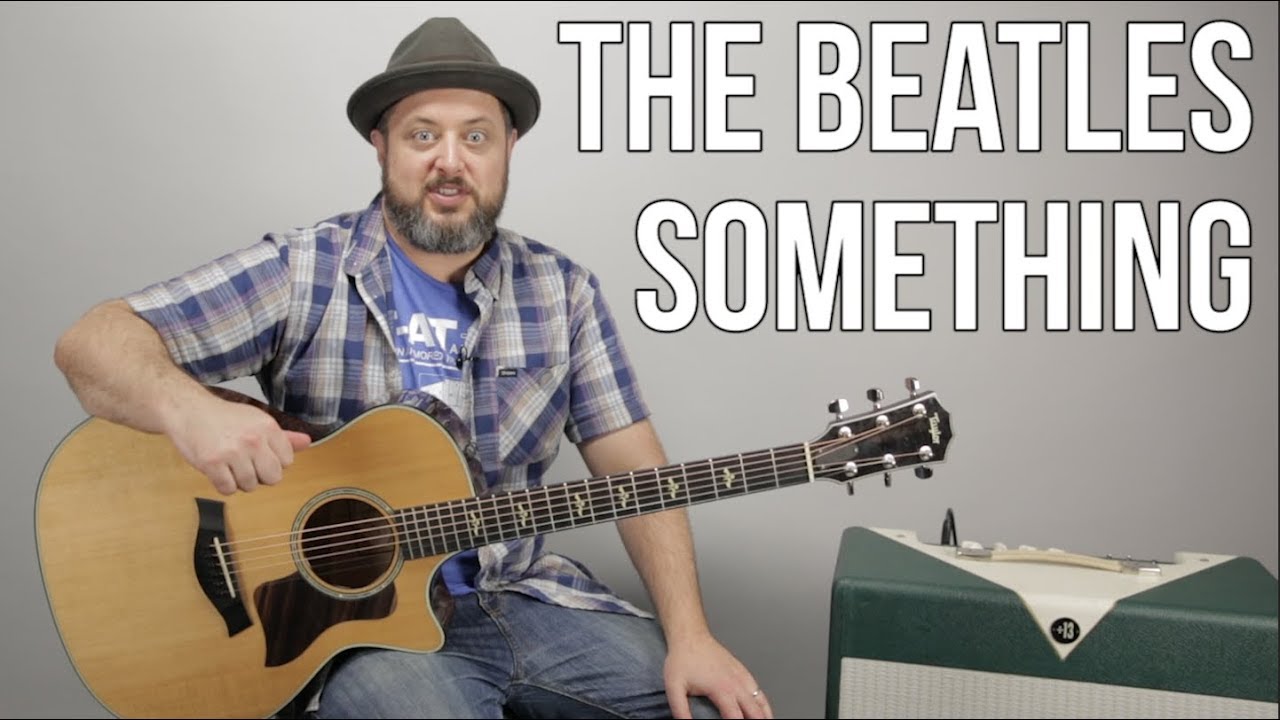
This All My Loving guitar lesson will teach you one of The Beatles’ most beloved songs that perfectly captures the magic of their early songwriting. What makes “All My Loving” so rewarding to play is how it combines simple chord changes with that distinctive Paul McCartney bass feel and classic British pop sensibility. You’ll get to work on fundamental open chords while developing the kind of steady rhythm playing that made The Beatles such a tight unit.

The song feels deceptively simple at first, but there are some really nice details in the chord voicings and timing that give it that professional polish. Once you get the hang of the main progression, you’ll find yourself playing it constantly because it just feels so good under your fingers.
Song Story & Context
Paul McCartney wrote “All My Loving” in 1963 while The Beatles were on tour, composing the lyrics first before adding the melody later. This was unusual for McCartney, who typically started with musical ideas. The song appeared on their second album “With The Beatles” and became one of their signature tunes during the height of Beatlemania.
What’s particularly interesting about the recording is how George Harrison’s guitar work perfectly complements Paul’s bass line. The interplay between those two parts creates that bouncing, energetic feel that makes the song so infectious. John Lennon’s rhythm guitar adds the harmonic foundation, while Ringo’s drumming keeps everything locked in the pocket. It’s a masterclass in how four musicians can work together to create something bigger than the sum of its parts.
What You’ll Learn
- Essential open chords: E, A, D, B7, and F#m
- Smooth chord transitions with proper fingering techniques
- Classic down-up strumming pattern with accent placement
- How to maintain steady timing through chord changes
- Techniques for clean fretting of barre-style chords
- Building dynamics to match The Beatles’ recorded arrangement
Chord Progression Breakdown
The main verse progression moves through E – A – D – B7 – E, which gives you a great workout in fundamental open chord shapes. Start with your E major chord using fingers 2 and 3 on the A and D strings at the 2nd fret, leaving your 1st finger free for quick transitions.
The move from E to A is one of the trickiest parts for beginners. Keep your 2nd finger anchored on the D string 2nd fret as you transition, since it’s common to both chords. Your 1st finger comes down to the G string 2nd fret, and your 3rd finger hits the B string 2nd fret for the A chord.
Going from A to D, try to keep that same 2nd finger anchored on the D string. It’s amazing how much smoother your changes become when you find these common tones between chords. The D chord wants your 1st finger on the G string 2nd fret, 2nd finger on the high E string 2nd fret, and 3rd finger on the B string 3rd fret.
The B7 chord is where things get interesting. You’ll need your 1st finger on the D string 1st fret, 2nd finger on the A string 2nd fret, and 3rd finger on the G string 2nd fret. Make sure you’re not touching the high E or B strings, they need to ring open.
Strumming Pattern & Rhythm
The strumming pattern for “All My Loving” has that classic Beatles bounce to it. Start with a basic down-up-down-up pattern, but pay attention to where the accents fall. The strongest emphasis should be on beats 1 and 3, with a slightly lighter touch on the upstrokes.
Count it as “1 + 2 + 3 + 4 +” where the numbers are down strokes and the plus signs are up strokes. Once you get comfortable with this basic pattern, you can start adding some dynamics by making certain strums a bit harder or softer.
The key is maintaining that steady pulse even when you’re changing chords. Practice the chord changes without worrying about strumming at first, then gradually add the rhythm back in. Your fretting hand and strumming hand need to work independently, which takes some time to develop.
Try playing along with a metronome set around 120 BPM to match the original recording’s energy. If that feels too fast at first, slow it down to 90 or 100 BPM and gradually work your way up.
Tips for Playing This Song
Focus on clean chord changes first. Speed comes naturally with repetition, but sloppy technique gets harder to fix the longer you practice it. Make sure each chord rings clearly before moving to the next one, even if you have to pause between changes at first.
Use proper finger positioning on the B7 chord. This is typically where students run into trouble because it requires precise finger placement to avoid muting the open strings. Curve your fingers so they’re coming down at a steep angle, and keep your thumb positioned behind the neck around the 2nd fret area.
Practice the chord progression in chunks. Work on just E to A until it’s smooth, then A to D, then D to B7, and finally B7 back to E. Once each transition feels comfortable, start linking them together into the full progression.
Pay attention to your strumming hand dynamics. The Beatles were masters of creating energy through their rhythm playing, not just through volume. Experiment with hitting some strums a bit harder or softer to create that sense of musical breathing that makes the song come alive.
“All My Loving” is one of those songs that sounds great even when you’re still learning it, so don’t worry about getting everything perfect right away. Focus on playing along with the video lesson and gradually building up your speed and accuracy. The more you play it, the more natural those chord changes will become.