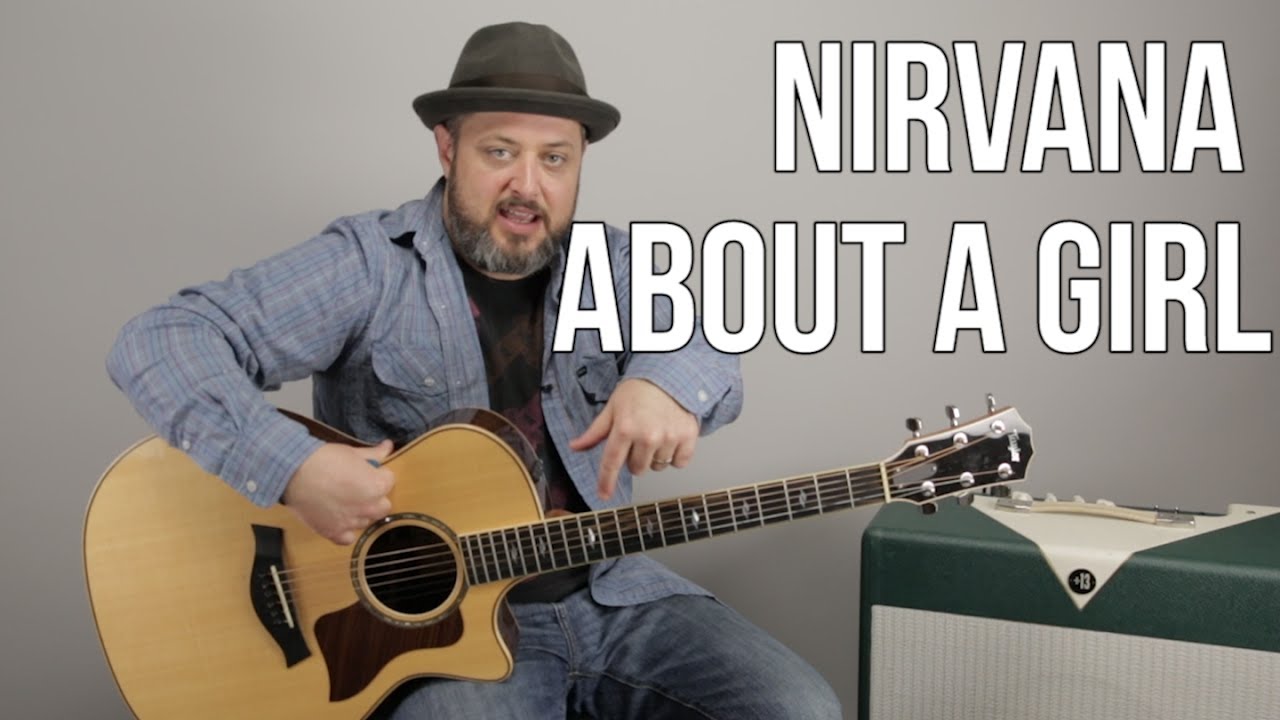
“How Many More Times” closes Led Zeppelin’s 1969 debut album — and at over eight minutes, it was the most expansive thing on the record. It’s also the song where Jimmy Page pulled out a violin bow and drew it across his Telecaster strings in front of a live-studio audience. In this lesson, Marty Schwartz breaks down the main riff, the E blues box position, the chord hits, the double-stop run, and the E7#9 “Hendrix chord” — everything you need to play through the full arrangement.
Setup and Tuning
Standard tuning, no capo. The whole song lives in E, and it leans hard on the E minor pentatonic scale. Marty describes it as “classic E blues rock energy” — and that’s exactly right. If you’re comfortable with open E blues shapes, a lot of this is going to feel familiar fast.
The scale position Marty works from:
The Main Riff
This is the heart of the song. Marty starts on the open low E, then moves to frets 7 and 5 on the A string, back to fret 7 on the low E, and returns to the 5th fret A. It all happens inside that small box of the E minor pentatonic.
The first phrase and the second phrase use the same notes — what changes is the rhythm. That rhythmic shift is what gives the riff its feel. Marty walks through each phrase slowly so you can hear exactly where the accents fall before putting them together.
One thing worth knowing: Jimmy Page recorded this on a 1958 Fender Telecaster run through a Supro amp. That single-coil bite is a big part of why the riff has that raw, cutting character. You don’t need a Tele to pull it off, but a little edge in your tone helps.
The Chord Hits — Power Chords and the Full Bar Chord
After the riff section, the song moves into chord hits. Marty explains you can play these as power chords or as full barre chords — Page himself often uses the full barre shape, which adds the major third and makes the chord ring bigger than a straight power chord.
The two chord positions Marty uses:
A power chord at the 5th fret (A-root):
E power chord at the 5th fret (E-root):
The rhythm on these hits lands on an offbeat. Marty describes it: he plays a muted down strum, then comes into the chord. It’s that “ba da da ba da ba” feel. Getting the muted stroke right before the chord hit is what makes it sound like the record.
The D–E Hits and the Bow Section
There’s a section where the song moves between D and E in a stop-start pattern. Marty shows these as barre chords — E at the 7th fret A-root, D a whole step down at the 5th fret A-root. He also shows an alternative voicing using the 5th and 7th fret on the low E string, which thickens up the sound if you want it.
After those hits, the song opens up into about a minute of sustained E ringing out. That’s the section where Page pulls out the violin bow. It’s one of only three Led Zeppelin studio recordings where bowed guitar appears — alongside “Dazed and Confused” and “Whole Lotta Love.” Marty skips the bow demonstration (understandably!) and moves on to the next defined riff.
The Double-Stop Run
This part has a completely different feel — busier, more melodic. Marty figures it out by ear in the video, which is honestly one of the best parts of the lesson. He identifies them as double stops built from the root and major third, moving up the scale.
The run starts at the 7th fret A string and 6th fret D string together, drops a whole step, then moves up to the 9th fret A and 7th fret D. He uses his third and index fingers, and there’s a quick two-note shape at the end that sounds like an E sus4 — 7th fret on A and D together — before the riff kicks back in.
The E7#9 “Hendrix Chord” and the E String Riff
This is one of Marty’s favorite parts of the song — and once you hear it, you’ll understand why. The E7#9 chord (sometimes called the Hendrix chord after its famous appearance in “Purple Haze”) shows up as a hit on beat four.
The voicing:
That’s: open low E, 7th fret A (middle finger), 6th fret D, 7th fret G, 8th fret B with the pinky — and the open high E rings through. The chord creates real tension. Page rarely resolves it cleanly; he lets it hang and decay, which became a signature sound of early Zeppelin.
The riff that leads into the chord is just as good. Marty shows it on the low E string: open, open, open, 3rd fret, 5th fret — then open, 3rd fret, 5th fret — and that 5th fret slides up to the 7th. Going into the chord, he does a quick pull-off back to the 3rd fret, almost a grace note. So the full move is: open E riff, 3-5 slide to 7, pull-off to 3, then the E7#9 hits.
The Blues Turnaround
Near the end of the arrangement, there’s a blues turnaround. Marty breaks it into three parts:
- B power chord — 7th fret, E-root shape — four beats
- A power chord — 5th fret, E-root shape — four beats
- Back to E
After the turnaround, the original chord hits return. But their rhythm changes — Marty describes it shifting from the earlier “ba ba ba ba” pattern to a triplet feel: “triple-a triple-a.” That rhythmic evolution is subtle, but it’s what keeps the song from feeling static over eight-plus minutes.
Putting It Together
The structure of “How Many More Times” is intentionally open. Page, Plant, Jones, and Bonham built the song around improvisation from the start — it grew out of rehearsal jams and a Jimmy Page riff that arrived spontaneously. That means the arrangement has room to breathe in a way most songs don’t.
Marty’s lesson gives you every defined section: the main riff, the chord hits, the double-stop run, the E7#9 moment with its lead-in riff, and the turnaround. Learn each piece separately, then start connecting them. The blues feel takes care of itself once you have the notes under your fingers.
It’s one of those songs that rewards time with it. Give it a few sessions and you’ll hear why it’s still getting played more than fifty years later.